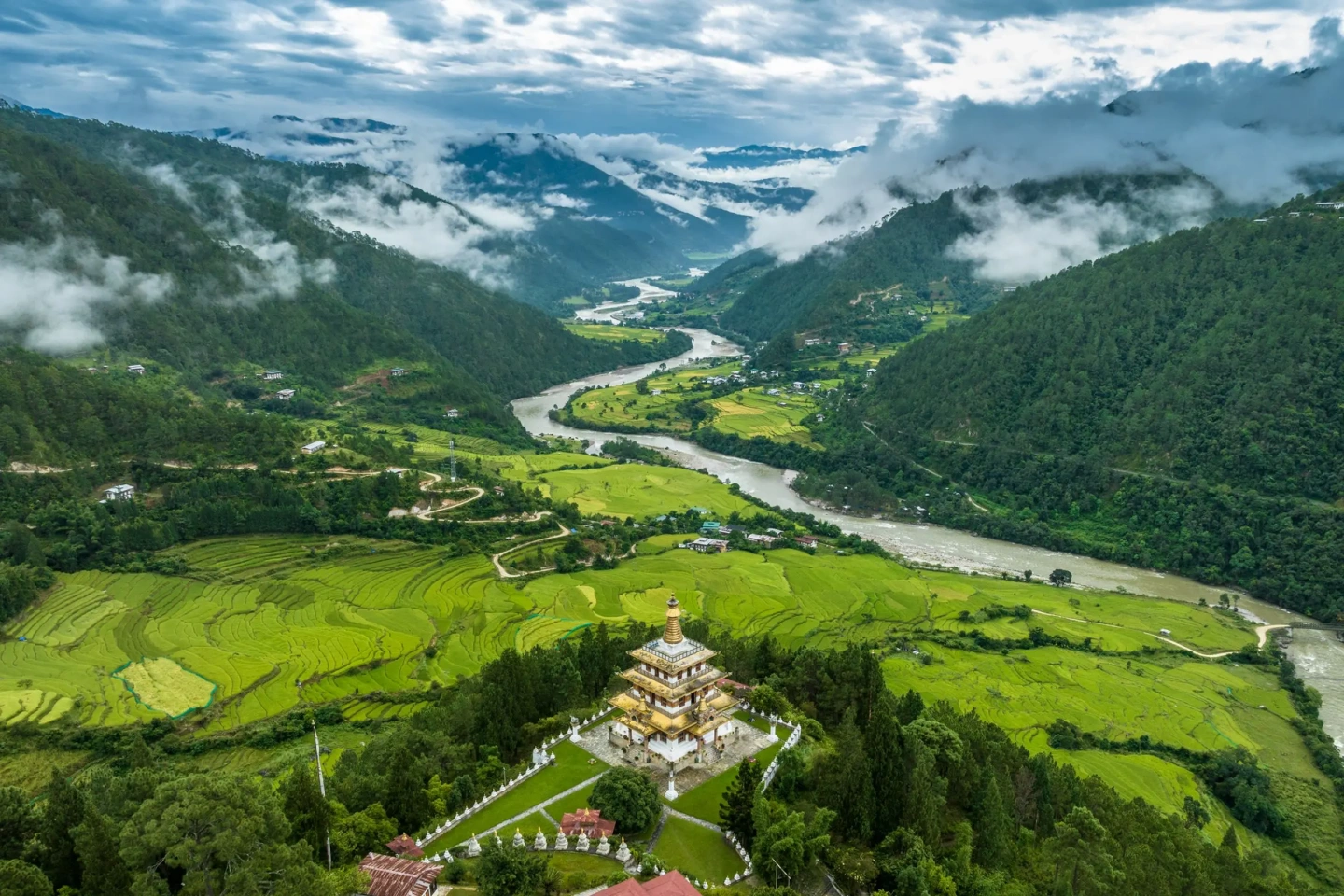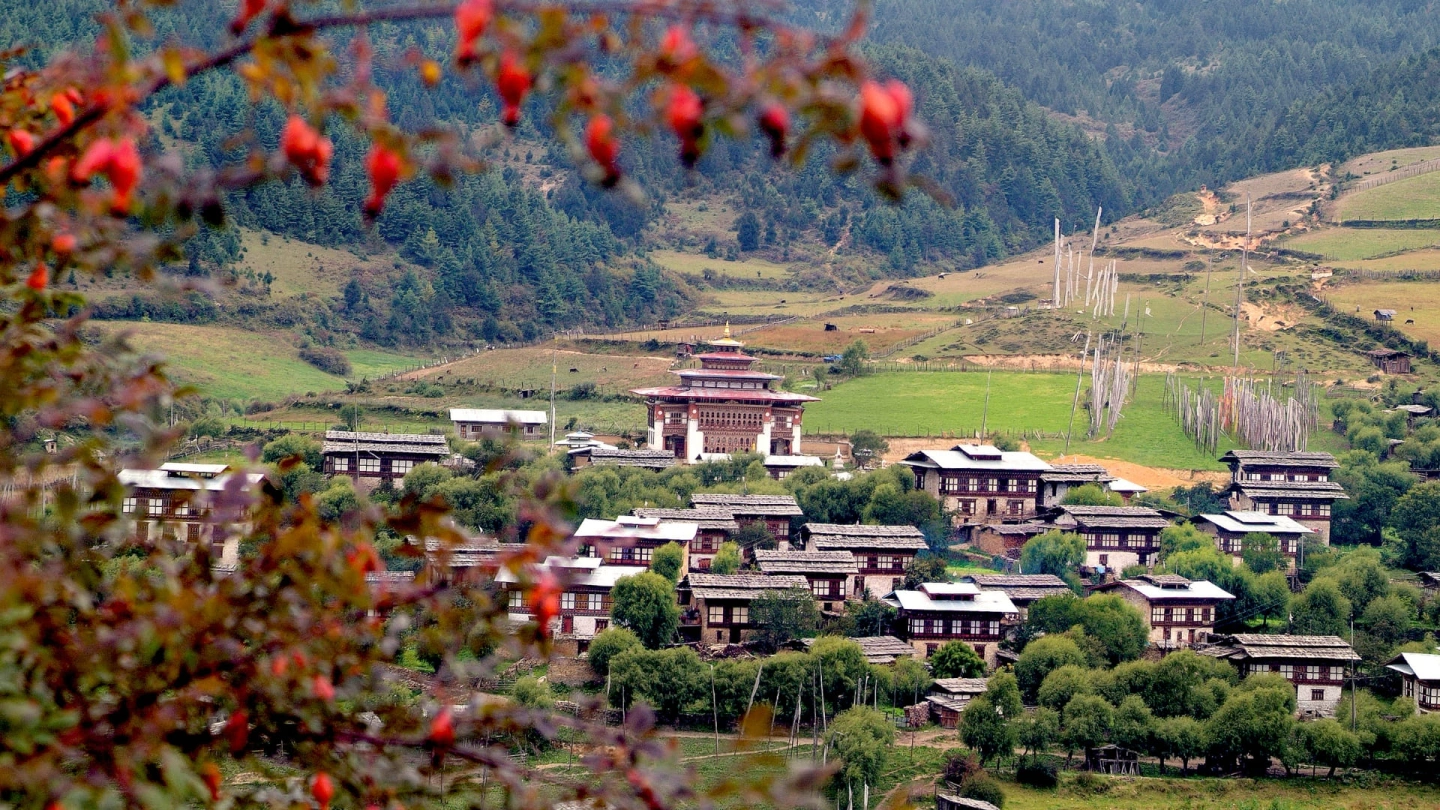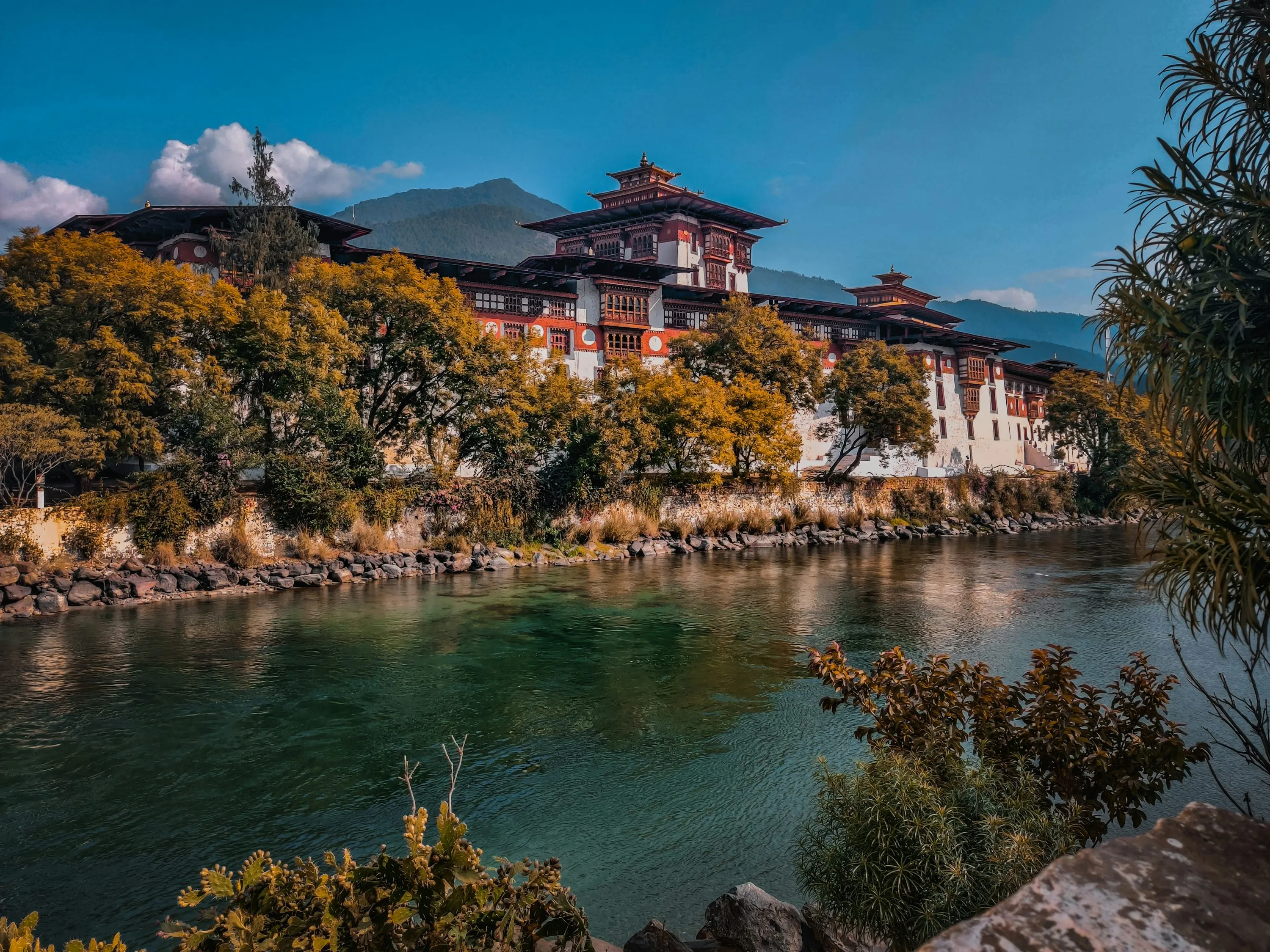
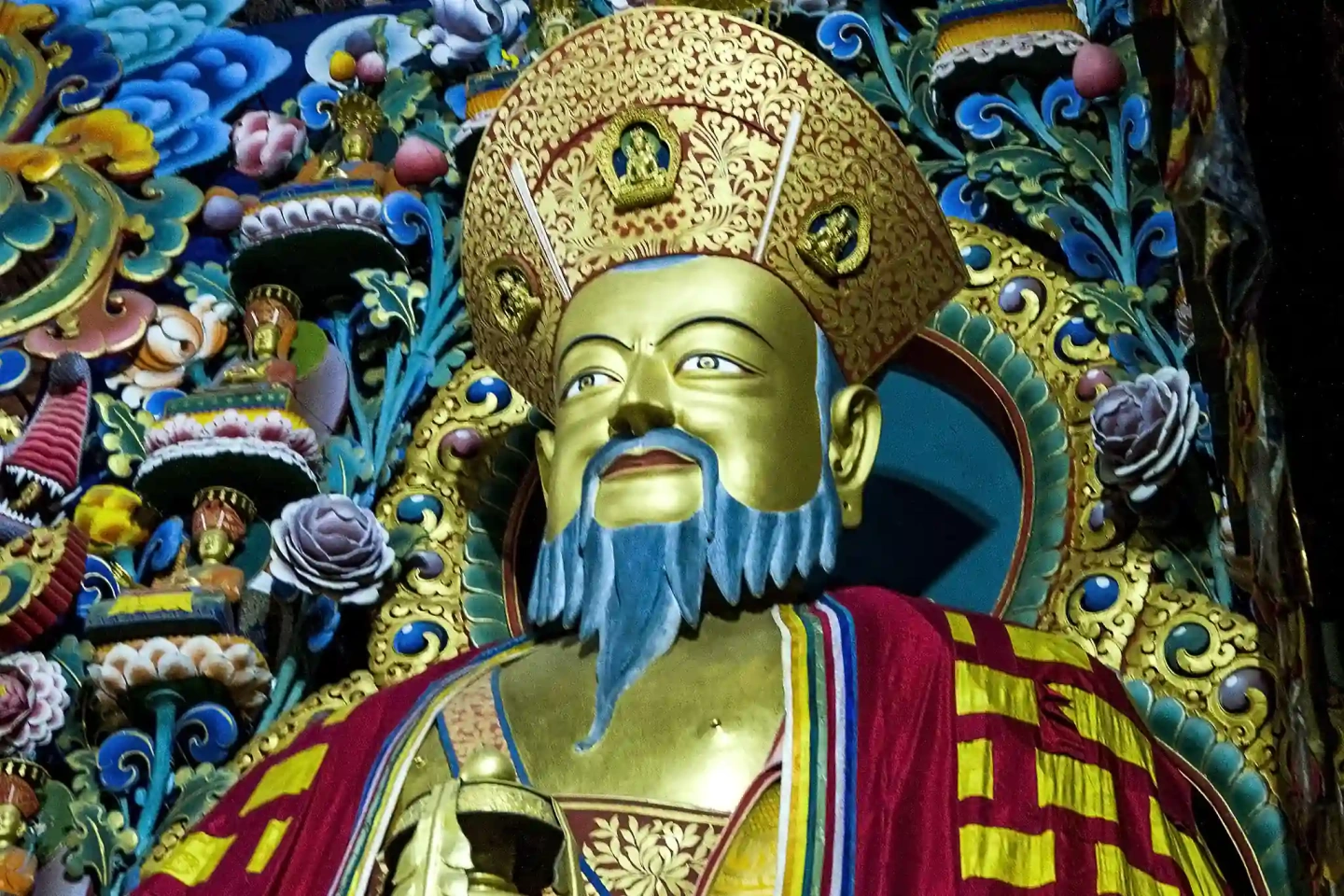
Bhutan, nestled in the eastern Himalayas, stands as a beacon of preserved natural beauty and profound cultural heritage, offering a travel experience that is both introspective and invigorating for visitors from afar, including those from Rwanda. As a landlocked nation much like Rwanda, Bhutan shares certain geographical parallels, yet it diverges in its serene mountainous terrain compared to Rwanda's rolling hills and lakes. Both countries have navigated paths of sustainable development, with Bhutan pioneering the concept of Gross National Happiness (GNH) to prioritize well-being over mere economic growth, echoing Rwanda's focus on reconciliation and community harmony post its historical challenges. Diplomatic relations between Bhutan and Rwanda remain neutral and cordial, with limited direct interactions but mutual respect in international forums, such as those emphasizing environmental conservation and human development. While Rwanda boasts a larger population of over 12 million and a vibrant urban scene in Kigali, Bhutan, with its modest 770,000 inhabitants, maintains a deliberate pace of life that eschews rapid modernization to protect its environment and traditions. For Rwandan travelers unfamiliar with the Himalayas, Bhutan promises an authentic immersion into a world where spirituality infuses daily existence, ancient fortresses dot the landscape, and pristine forests cover over 70 percent of the land—far surpassing Rwanda's own commendable reforestation efforts. This guide, crafted from the perspective of an experienced Bhutanese travel consultant, aims to equip you with a thorough understanding of practicalities and nuances, ensuring your journey is not only seamless but also deeply respectful of our shared human values.
Visa and Entry Requirements
Entering Bhutan as a Rwandan citizen involves a structured process designed to uphold the kingdom's controlled tourism policy, which mandates that all foreign visitors, except those from India, Bangladesh, and the Maldives, must book their trips through licensed Bhutanese tour operators. This policy ensures sustainable tourism and cultural preservation, requiring travelers to pre-arrange their itinerary, accommodations, and guides before arrival. For Rwandan tourists, a visa is required and can be obtained as an eVisa valid for up to 90 days, but the application is handled entirely by your chosen tour operator rather than directly by you. You will need to provide a scanned copy of your passport, which must be valid for at least six months from the date of entry, along with a recent passport-sized photo and proof of your tour booking. The tour operator submits these documents to the Tourism Council of Bhutan (TCB) on your behalf, and upon approval—typically within 72 hours—the visa is issued electronically. Payment for the tour, including the Sustainable Development Fee (SDF), is intrinsically linked to securing the visa; the SDF must be paid in advance, and the visa is only released once this is confirmed. As of 2025, the SDF stands at USD 100 per person per night for adults, with children aged 6 to 12 paying USD 50 and those under 6 exempt, contributing to Bhutan's environmental and social initiatives such as free healthcare and education. This fee significantly impacts overall pricing, as it forms a substantial part of the minimum daily package rate, which also covers accommodations, meals, transport, and guiding services. Rwandan travelers should anticipate total costs starting from USD 250 per day per person during peak seasons, ensuring that your visit supports local communities while maintaining the kingdom's low-volume, high-value tourism model. Once approved, you'll receive a visa clearance letter to present at immigration upon arrival at Paro International Airport, where the actual visa stamp is affixed to your passport.
Travel Routes from Rwanda to Bhutan
Traveling from Rwanda to Bhutan requires careful planning due to the absence of direct flights, necessitating transits through major international hubs and aligning with the limited operations of Bhutan's airlines. From Kigali International Airport, the primary gateway in Rwanda, common routes involve flying to transit points such as Delhi in India, Bangkok in Thailand, or Kathmandu in Nepal, before connecting to Paro International Airport, Bhutan's sole international entry point. For instance, you might depart Kigali on RwandAir or Kenya Airways to Nairobi, then transfer to a flight to Delhi via Ethiopian Airlines or Qatar Airways, and finally board Druk Air (Bhutan's national carrier) or Bhutan Airlines for the short hop to Paro. These two airlines are the only ones permitted to operate into Paro due to the airport's challenging location in a narrow valley surrounded by high peaks, requiring specially trained pilots for the visual approach landings. Flights to Paro are infrequent—typically a few per day—and highly susceptible to weather disruptions, particularly during the monsoon season when low clouds and strong winds can cause delays or cancellations, sometimes stranding passengers for hours or even days. Rwandan travelers should book well in advance, ideally through their tour operator who can coordinate seamless connections, and aim for flexible itineraries that account for potential holdups. Expect total travel times of 15 to 25 hours, depending on layovers, with costs varying from USD 800 to 1,500 round-trip based on season and airline choices. Upon arrival in Paro, be prepared for a thrilling descent that offers stunning views of the Himalayas, but also underscores the need for realistic expectations regarding scheduling reliability in this remote destination.
Best Time to Visit and Seasonality
Bhutan's climate is diverse and influenced by its Himalayan topography, dividing the year into four distinct seasons that profoundly affect weather, activities, and cultural events, making strategic timing essential for Rwandan visitors seeking an optimal experience. Spring, from March to May, brings mild temperatures ranging from 10 to 20°C in the valleys, with blooming rhododendrons and clear skies ideal for trekking and sightseeing, though occasional showers may occur; this period aligns well with Rwanda's dry season, offering a comfortable escape from equatorial heat. Summer, June to August, introduces the monsoon with heavy rains up to 500mm monthly, leading to lush greenery but also landslides, foggy conditions, and disrupted flights—less recommended unless you're drawn to fewer crowds and vibrant festivals like the Mushroom Festival in Ura. Autumn, September to November, is widely regarded as the prime time, featuring crisp air at 5 to 15°C, azure skies, and harvest festivals such as the Thimphu Tshechu, where mask dances and communal celebrations provide immersive cultural insights; this season's low humidity and minimal rainfall make it perfect for Rwandan travelers accustomed to moderate climates, balancing activity options with manageable crowd levels. Winter, December to February, delivers cold snaps down to -5°C in higher altitudes, with snowfall in the north creating picturesque landscapes for birdwatching or low-season tranquility, but requiring warmer gear for those from Rwanda's warmer environs. For Rwandan tourists, October and April stand out as the best months, coinciding with major festivals, favorable weather for outdoor pursuits like hiking to Tiger's Nest Monastery, and avoiding peak tourist influxes that could dilute the intimate experience Bhutan offers.
Money, Costs, and Payment Methods
Navigating finances in Bhutan revolves around the Bhutanese Ngultrum (BTN), which is pegged one-to-one with the Indian Rupee (INR) and serves as the official currency, though understanding exchange practices and limited modern conveniences is key for Rwandan travelers. Upon arrival, you can exchange major currencies like USD at Paro Airport's foreign exchange counter or at banks in major towns such as Thimphu and Paro, where rates are favorable and commissions minimal; it's advisable to carry crisp USD bills, as they yield better exchanges than other currencies, including the Rwandan Franc, which may not be directly convertible. ATMs are available in urban areas and accept international Visa and Mastercard cards, but reliability can vary with occasional outages, and withdrawal limits hover around BTN 10,000 to 20,000 per transaction—plan accordingly, as rural areas lack these facilities. Credit card acceptance is growing in hotels and larger shops but remains sporadic, often incurring surcharges, so cash remains king for daily expenses. Tour packages typically include accommodations in 3-star hotels or better, all meals (breakfast, lunch, dinner), internal transportation via private vehicle, and an English-speaking guide, with the SDF baked in, leaving extras like alcoholic beverages, souvenirs, laundry, and tips (around USD 10-15 per day for guides and drivers) as out-of-pocket costs. Rwandan visitors should budget an additional USD 50-100 per day for personal expenses, noting that Bhutan's emphasis on inclusive tours minimizes unexpected costs while supporting local economies through regulated pricing.
Health, Safety, and Travel Insurance
Health considerations in Bhutan center on its high-altitude environment and remote locales, demanding proactive measures from Rwandan travelers to ensure a safe journey. Altitude sickness poses a primary risk, with symptoms like headaches, nausea, and fatigue potentially affecting anyone ascending above 2,500 meters—common in places like Thimphu at 2,300m or higher passes—necessitating gradual acclimatization, ample hydration, and avoidance of alcohol initially. Medical facilities are basic, with well-equipped hospitals in Thimphu but limited options elsewhere, so recommended vaccinations include Hepatitis A, Typhoid, Tetanus, and possibly Rabies given the presence of stray dogs; consult a travel clinic in Kigali well in advance. Bhutan maintains excellent safety standards, boasting one of the world's lowest crime rates due to its close-knit communities and Buddhist values, allowing solo exploration in towns with minimal worry, though petty theft can occur in crowded festivals. Minor risks include encounters with stray dogs—avoid feeding them—and navigating uneven terrain on hikes, where sturdy footwear is essential. Comprehensive travel insurance is non-negotiable, covering medical emergencies, evacuation by helicopter (vital in remote areas), trip cancellations, and lost baggage; policies should explicitly include high-altitude activities, as standard ones may not, ensuring peace of mind in this otherwise secure destination.
Cultural Etiquette and Social Expectations
Bhutanese society is deeply rooted in Buddhist principles of respect, humility, and harmony, requiring Rwandan visitors to adapt their behaviors to foster meaningful interactions and avoid unintended offenses. When visiting temples, monasteries, or dzongs—fortress-like structures serving administrative and religious functions—dress modestly by covering shoulders, knees, and midriffs, opting for long sleeves and pants; remove hats, shoes, and sunglasses upon entry, and always circumambulate sacred sites clockwise as a sign of reverence. Pointing with fingers at statues or people is considered rude—use an open palm instead—and speaking loudly or displaying public affection disrupts the serene atmosphere valued here. Patience and humility are paramount; Bhutanese people embody a gentle demeanor, so aggressive bargaining or rushing conversations may be perceived as disrespectful, contrasting perhaps with more direct Rwandan social styles that could benefit from a softer approach. Offering and receiving items with both hands signifies politeness, and accepting tea or food when hosted reflects appreciation for Bhutanese hospitality. By embracing these customs, Rwandan travelers can bridge cultural gaps, gaining deeper insights into a society where collective well-being trumps individualism, ultimately enriching their experience through genuine connections.
Connectivity, SIM Cards, Internet Access
Staying connected in Bhutan is feasible but requires planning, as infrastructure, while improving, varies between urban and rural areas, offering Rwandan travelers a blend of modern convenience and occasional digital detox. Wi-Fi is reliably available in most hotels, guesthouses, and cafes in cities like Thimphu and Paro, often free and sufficient for browsing or emails, though speeds may lag during peak usage or in remote valleys. For mobile data, purchasing a local SIM card upon arrival is straightforward; options include B-Mobile (Bhutan Telecom) and TashiCell, both providing good 4G coverage in populated areas and expanding to rural spots. Acquire one at the airport counter or authorized shops by presenting your passport and visa—tour operators can assist—with starter packs costing around BTN 100-200, including data bundles from 1GB for short stays. Top-ups are easy via scratch cards or apps, but note that international roaming from Rwandan providers like MTN may be expensive or unreliable. Certain apps or services might face restrictions due to Bhutan's content policies, so a VPN can be useful for unrestricted access, though it's not always necessary for standard use. Overall, connectivity supports essential communication without overshadowing Bhutan's emphasis on present-moment experiences.
Language and Communication
Language barriers in Bhutan are minimal for tourism purposes, as English serves as the medium of instruction in schools and is prevalent among guides, hotel staff, and younger generations, facilitating smooth interactions for Rwandan visitors. Dzongkha, the national language, dominates everyday conversations, but in the travel sector, English proficiency ensures that itineraries, explanations, and queries are handled effectively. Specialized Kinyarwanda-speaking guides are not commonly available given the niche demand, but multilingual operators can arrange English-French interpreters if needed, drawing from Rwanda's linguistic landscape. For travelers with limited English, visual aids, translation apps like Google Translate (with offline Dzongkha packs), or simple gestures suffice in basic exchanges, while tour guides act as cultural bridges, translating during homestays or local encounters. Learning a few Dzongkha phrases—such as "Kuzuzangpo la" for hello—enhances rapport, reflecting respect and opening doors to warmer hospitality. Effective communication strategies include speaking slowly, confirming understanding, and embracing non-verbal cues, allowing Rwandan explorers to navigate Bhutan's linguistic diversity with confidence and cultural sensitivity.
Packing and Preparation Advice
Packing for Bhutan demands versatility to handle its variable Himalayan climates, from balmy valleys to chilly mountain passes, ensuring Rwandan travelers are equipped for comfort and practicality in unfamiliar conditions. Layering is essential: include breathable base layers, fleece jackets, and a waterproof windbreaker for sudden weather shifts, with temperatures fluctuating 10-20°C daily. For higher altitudes, pack thermal underwear, woolen socks, gloves, and a warm hat, while lighter clothing like t-shirts and long pants suits lower elevations; modest attire—long sleeves and pants—is crucial for religious sites. Sturdy, broken-in hiking boots with good grip are indispensable for treks, complemented by comfortable sandals for evenings. Personal items should encompass sunscreen (high SPF for intense UV), insect repellent, a reusable water bottle for hydration, and medications including altitude sickness preventives like Diamox, pain relievers, and any personal prescriptions, as pharmacies are limited outside cities. Don't forget a universal power adapter for Type D/F/G sockets (220V), a portable charger for power outages, binoculars for wildlife spotting, and a daypack for excursions. Rwandan visitors, accustomed to tropical climates, should prepare for dry air with moisturizers and lip balm, plus eco-friendly toiletries to align with Bhutan's sustainability ethos, creating a well-rounded kit that enhances adaptability and enjoyment.
Bhutan’s Unique Tourism Philosophy
Bhutan's tourism philosophy is intrinsically tied to Gross National Happiness (GNH), a holistic framework introduced by the Fourth King in the 1970s to measure progress through psychological well-being, cultural preservation, environmental sustainability, and good governance rather than GDP alone. This approach shapes the kingdom's cautious policies, limiting visitor numbers via the SDF and mandatory tours to prevent overtourism's pitfalls seen elsewhere, prioritizing quality experiences that benefit locals economically while safeguarding traditions. For Rwandan travelers, understanding GNH reveals why Bhutan resists unchecked development: rapid modernization could erode its biodiversity—home to endangered species like the Bengal tiger—and dilute cultural practices rooted in Vajrayana Buddhism. By favoring high-value, low-impact tourism, Bhutan ensures visitors engage meaningfully, such as through homestays that foster cross-cultural exchanges, mirroring Rwanda's community-focused recovery efforts but applied preemptively to maintain harmony. This philosophy underscores Bhutan's commitment to long-term happiness, inviting Rwandans to appreciate a model where progress serves people and planet alike.
Mindset and Expectations for Visitors
Adjusting expectations is vital for Rwandan travelers venturing to Bhutan, where the slower pace of life and modest infrastructure emphasize introspection over instant gratification. Life here unfolds deliberately, with unhurried service in restaurants and flexible schedules influenced by weather or festivals, contrasting Rwanda's efficient urban rhythm and requiring patience as a virtue. Accommodations are typically small, family-run hotels or eco-lodges offering clean, comfortable stays but lacking the opulence of international chains; expect cozy rooms with basic amenities rather than lavish suites. The absence of luxury shopping malls, vibrant nightlife, or fast-paced entertainment shifts focus to nature's grandeur—pristine hikes, river rafting—and spiritual pursuits like meditation at monasteries. Material conveniences are secondary to cultural depth, where interactions with locals reveal profound contentment despite simplicity. Embracing this mindset allows Rwandans to find joy in Bhutan's authenticity, transforming potential adjustments into rewarding discoveries of a life less cluttered.
Food and Dining Culture
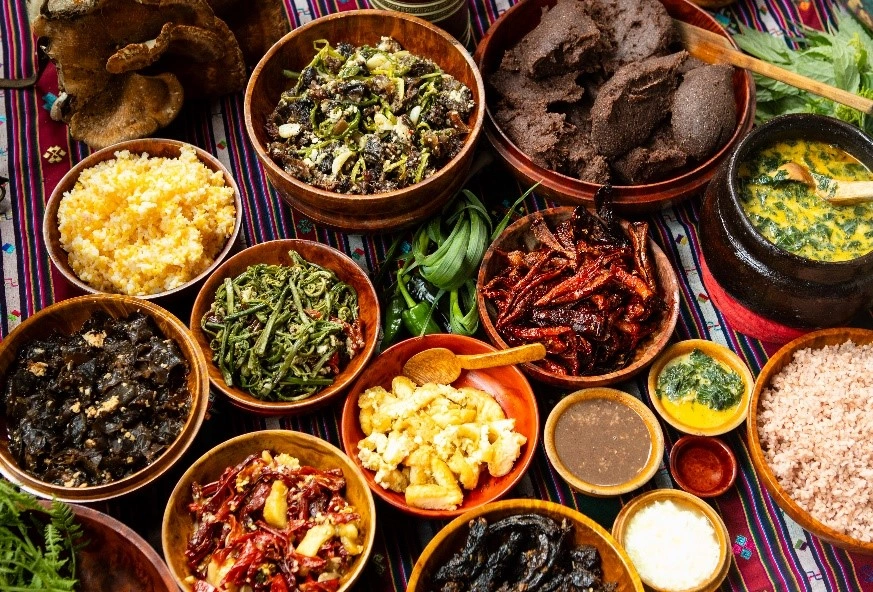
Bhutanese cuisine reflects the kingdom's agrarian roots and Himalayan influences, characterized by bold, spicy flavors, heavy use of cheese, and simple preparations that embody hospitality and communal sharing. Staples like red rice, a nutty, nutritious grain, accompany most meals, often paired with ema datshi—the national dish of chilies stewed in yak or cow's cheese sauce, delivering a fiery kick that may surprise Rwandan palates accustomed to milder spices. Common dishes include phaksha paa (pork with radish and chilies), jasha maru (spicy chicken stew), and momos (dumplings filled with meat or vegetables), all emphasizing fresh, organic ingredients from local farms. Dining is a social affair, with meals served family-style to encourage bonding, and butter tea (suja)—a salty, churned brew—offered as a gesture of welcome, alongside ara, a potent rice wine for celebrations. Alcohol is integrated mindfully, with moderation aligned to Buddhist principles, while vegetarian options abound due to religious dietary preferences. For Rwandans, adapting to the cheese-heavy, chili-laden profiles can be an adventure, enhanced by the warmth of hosts who view food as a conduit for connection and nourishment of body and spirit.
Festivals, Religion, and Sacred Places
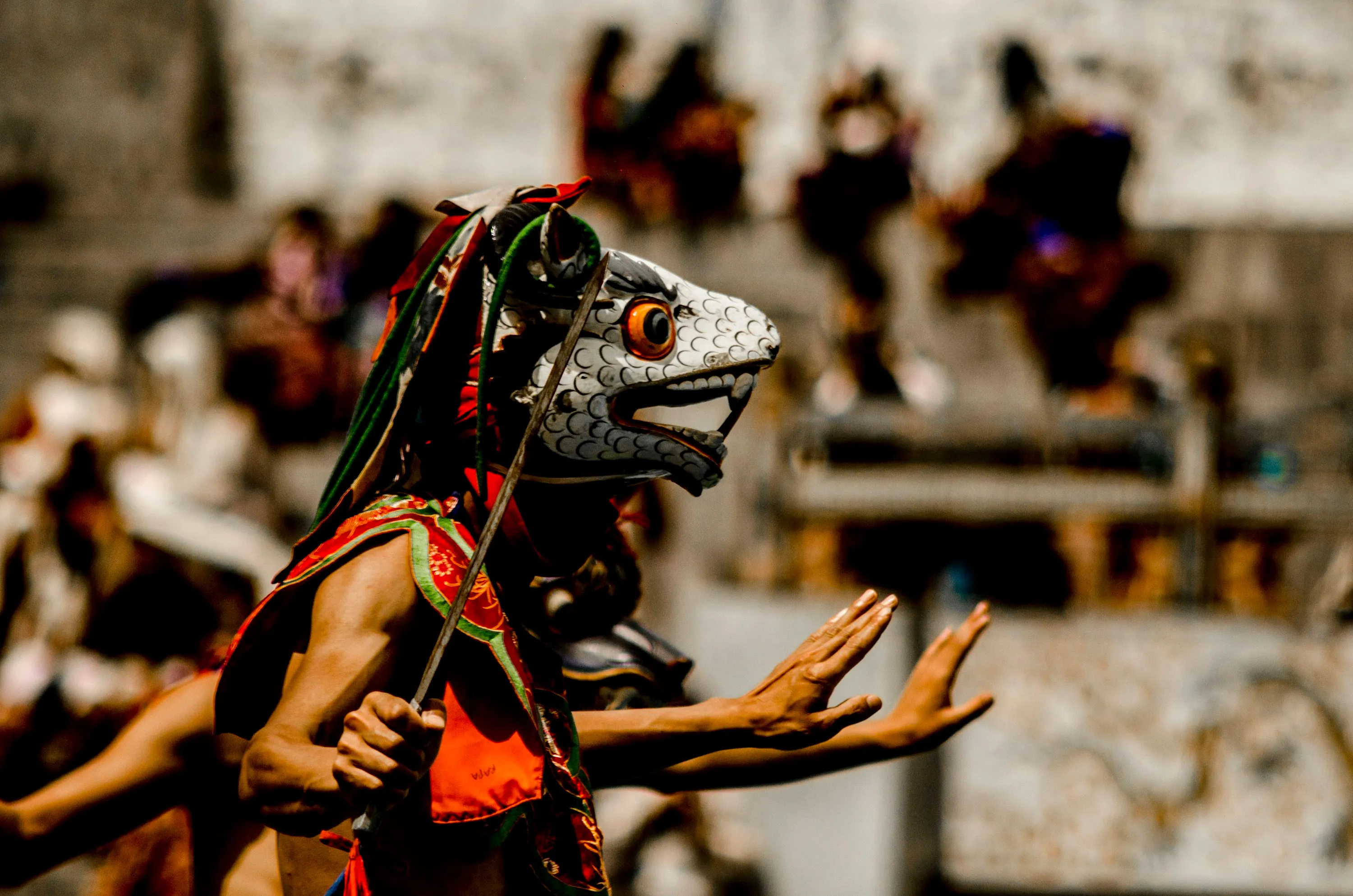
Religion permeates every aspect of Bhutanese life, with Vajrayana Buddhism guiding daily practices and manifesting vividly in festivals and sacred sites that offer Rwandan visitors profound cultural immersion. Tshechus, annual religious festivals held in dzongs across districts, honor Guru Rinpoche through elaborate mask dances, music, and rituals, drawing communities in traditional attire for blessings and socializing; attending one, like the Paro Tshechu in spring, reveals the interplay of spirituality and joy, with rules mandating modest dress, no photography inside venues, and respectful silence during performances. Sacred places such as Taktsang Monastery (Tiger's Nest) or Punakha Dzong demand etiquette: remove shoes and hats, avoid pointing, and maintain a clockwise path around stupas. These experiences deepen understanding of Bhutan's worldview, where karma and compassion shape society, paralleling Rwanda's emphasis on unity but expressed through colorful pageantry and ancient lore.
Hidden Challenges and Practical Inconveniences
While Bhutan's allure lies in its unspoiled charm, Rwandan travelers should anticipate subtle challenges that, when viewed positively, enhance the adventure's authenticity. Slow service in eateries stems from a cultural aversion to haste, fostering mindful dining rather than efficiency. Itinerary changes may arise from weather-impacted roads or festivals, requiring flexibility that rewards with unexpected discoveries. Power outages, common in rural areas due to hydroelectric reliance and terrain, add a rustic element, encouraging candlelit evenings and stargazing. Winding, narrow roads—often under construction—can cause motion sickness but unveil breathtaking vistas, underscoring the need for patience as a travel companion. These inconveniences, far from flaws, embody Bhutan's commitment to preserving its essence, transforming them into endearing facets of a journey that prioritizes depth over convenience.
Shopping and Souvenirs
Shopping in Bhutan offers a window into artisanal traditions, focusing on handcrafted items rather than mass-produced goods, providing Rwandan travelers with meaningful mementos. Handwoven textiles like kira (women's dress) or gho (men's robe) fabrics, dyed naturally and patterned intricately, represent cultural pride and make versatile souvenirs. Crafts such as bamboo baskets, wooden masks, and incense from Himalayan herbs highlight sustainable practices, available in markets like Thimphu's Weekend Market or Paro's craft shops. The absence of duty-free malls or high-end brands shifts emphasis to authenticity—seek TCB-certified items to ensure genuineness. Bargaining is uncommon in fixed-price stores but mild negotiation occurs in open markets, always conducted politely to honor local customs. These purchases not only support artisans but encapsulate Bhutan's ethos of mindful consumption.
Altitude Awareness and Physical Preparedness
Altitude's effects in Bhutan vary individually, with symptoms from mild dizziness to severe nausea emerging above 2,500 meters, necessitating awareness for Rwandan travelers unaccustomed to such elevations. Common signs include shortness of breath and fatigue, mitigated by acclimatization: spend initial days in lower areas like Paro (2,200m) before ascending, ascending no more than 300-500m daily. Hydration is crucial—drink 3-4 liters of water daily—alongside light meals and avoiding exertion. Physical preparation involves cardio exercises pre-trip, while precautions like carrying medications (consult a doctor) and monitoring symptoms ensure safety during treks. Adjusting activities, such as shorter hikes, allows enjoyment without risk, turning altitude into a manageable aspect of Bhutan's majestic heights.
Security, Safety, and Emergency Information
Bhutan's reputation as a safe haven is well-founded, with negligible crime and a vigilant community, reassuring Rwandan visitors amid global uncertainties. Low theft rates stem from strong social bonds, though standard precautions like securing valuables apply. Emergency contacts include police at 113, ambulance at 112, and fire at 110; tour guides provide immediate assistance, coordinating with authorities. For Rwandans, the nearest embassy is in India, accessible via New Delhi, but Bhutan's foreign ministry aids in crises. Respect local laws—such as tobacco restrictions and environmental protections—to avoid fines, ensuring a secure, harmonious stay.
Photography and Drones
Photography in Bhutan captures its ethereal beauty but adheres to respectful guidelines, particularly in sensitive areas. Religious and government sites prohibit interior shots to preserve sanctity—always ask guides for permissions—and photographing locals requires consent, ideally with a smile. Drones are strictly regulated, banned without prior Civil Aviation approval due to security and privacy concerns, especially near yellow-roofed buildings or no-fly zones. Ethical practices ensure your captures honor Bhutan's spirit without intrusion.
What Bhutan Does Not Have
Bhutan's deliberate choices preserve its uniqueness, lacking skyscrapers that would mar its landscapes, fast-food chains like McDonald's or KFC to maintain organic diets, casinos aligning with Buddhist non-gambling values, and sprawling shopping centers favoring local crafts. This absence cultivates a charm of simplicity and sustainability, inviting Rwandans to relish unadulterated nature and culture.
Important Questions to Ask Before Booking a Tour
Before committing to a Bhutan tour, Rwandan travelers should engage in thoughtful dialogue with operators to align expectations and ensure a tailored experience. Inquire about the guide's qualifications and experience—will they be licensed by the TCB, fluent in English, and knowledgeable in history and ecology to enrich your journey? Discuss itinerary flexibility: can adjustments accommodate personal interests like extended hikes or festival attendance, or handle unforeseen weather changes without extra costs? Probe accommodations: what standards are provided, from 3-star comforts to eco-lodges, and are upgrades available for preferences like mountain views? On food, ask about dietary accommodations—vegetarian options or spice levels adjusted for Rwandan tastes—and meal inclusions beyond the basics. For emergencies, confirm protocols: does the operator provide 24/7 support, medical kits, and evacuation plans, including insurance recommendations? Regarding SIM cards and connectivity, verify if they assist with purchases and what coverage to expect in remote areas. Language support is key—ensure guides can bridge any gaps, perhaps with basic phrases or apps. Tipping customs should be clarified: what's appropriate for guides and drivers, typically USD 10-15 daily? Finally, confirm insurance requirements: does the tour mandate coverage, and what specifics like altitude evacuation are advised? These questions foster transparency, ensuring your Bhutan adventure is seamless and fulfilling.
Conclusion
In reflection, Bhutan endures as a rare sanctuary for Rwandan travelers yearning for cultural profundity, untouched natural splendor, and spiritual serenity amid a world of hurried commercialization. This Himalayan kingdom, with its GNH-guided ethos, offers a respite where mountains whisper ancient wisdom, festivals pulse with communal joy, and simplicity reveals life's true essence—qualities that resonate with Rwanda's own resilient spirit. By choosing Bhutan, you embark not on a mere vacation but a transformative odyssey, one that honors sustainability and invites introspection, leaving you enriched and inspired.