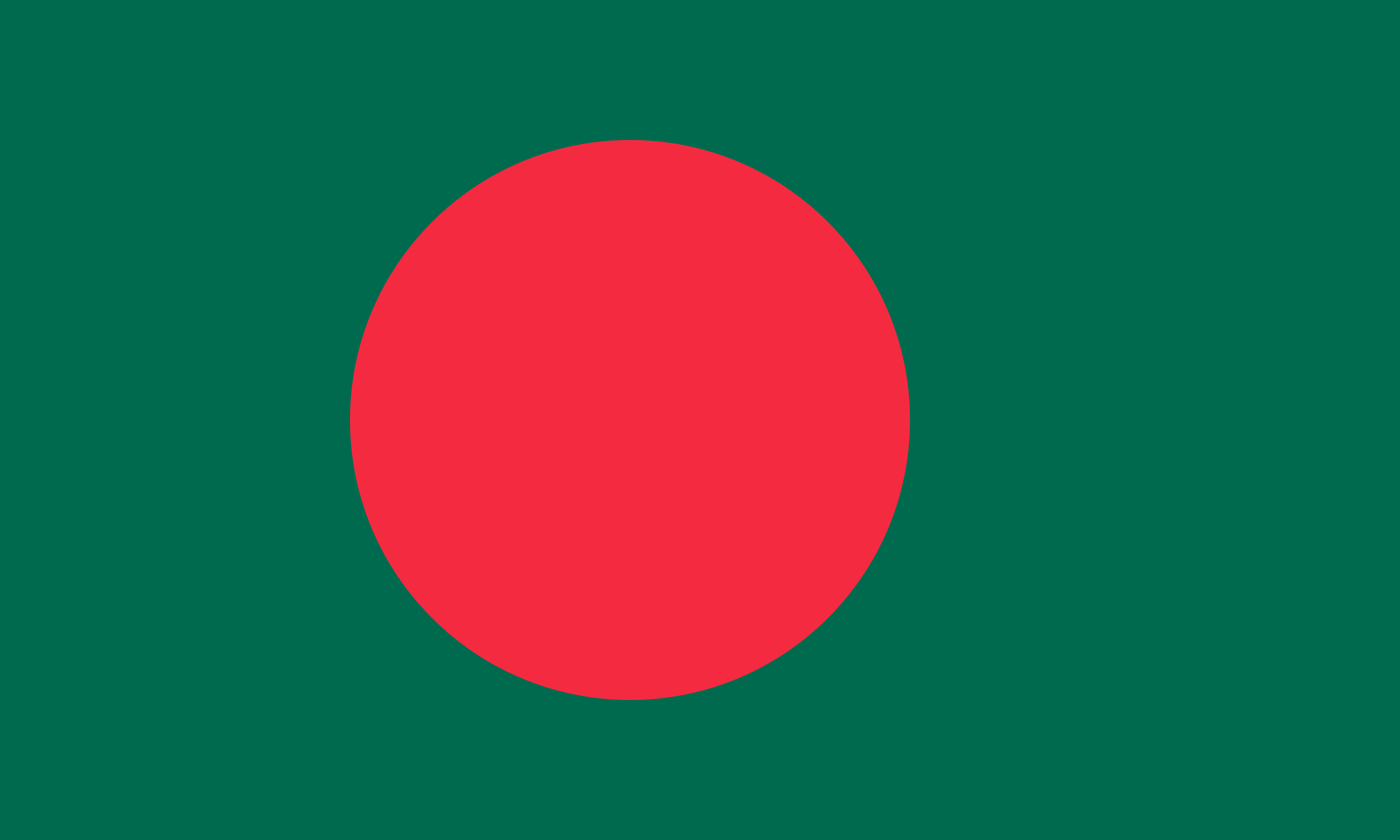
Bhutan, the enchanting Himalayan kingdom often referred to as the Land of the Thunder Dragon, offers a travel experience that is as profound as it is serene, drawing visitors into a world where ancient traditions harmonize with pristine natural beauty. For Bangladeshi travelers, venturing to Bhutan feels like stepping from the bustling, riverine landscapes of the Ganges-Brahmaputra delta into the majestic, mist-shrouded peaks of the Eastern Himalayas—a transition that highlights the stark yet complementary contrasts between our two nations. Bangladesh, with its vibrant mosaic of cultures, fertile plains, and a population exceeding 170 million, stands in vivid comparison to Bhutan's sparsely populated terrain of about 770,000 people, where towering mountains and dense forests dominate the geography, fostering a sense of isolation and introspection. Both countries share a deep-rooted South Asian heritage, with histories intertwined through regional dynamics; Bhutan was among the first nations to recognize Bangladesh's independence in 1971, establishing diplomatic relations that have since flourished through mutual respect, cultural exchanges, and economic collaborations, such as trade in goods like cement and agricultural products. Culturally, while Bangladesh thrives on its Islamic influences blended with Bengali literature, music, and festivals like Pohela Boishakh, Bhutan is steeped in Vajrayana Buddhism, emphasizing spiritual harmony and environmental stewardship. These differences enrich the journey for Bangladeshi visitors, who may find Bhutan's emphasis on Gross National Happiness (GNH) a refreshing counterpoint to the rapid urbanization back home, inviting a deeper appreciation for sustainable living and inner peace. This guide, crafted with the perspective of an experienced Bhutanese travel consultant, aims to equip you with a thorough understanding of Bhutan, ensuring your trip is not just a vacation but a transformative encounter with a land that prioritizes quality over quantity in every aspect of life.
Visa and Entry Requirements
Bhutan's tourism policy is meticulously designed to preserve its cultural and environmental integrity, mandating that all foreign visitors, including those from Bangladesh, must book their trips through licensed Bhutanese tour operators. This controlled approach ensures that tourism remains sustainable and benefits local communities directly. For Bangladeshi tourists, the visa process is relatively straightforward compared to many other nationalities, as Bhutan offers visa on arrival or entry permits without the need for prior approval from the immigration department in most cases. However, you must arrange your tour in advance with a certified operator who will handle the visa application on your behalf. The required documents include a valid passport with at least six months of remaining validity from the date of departure from Bhutan, two recent passport-sized photographs, and proof of your tour booking, such as the itinerary and payment receipts. Your tour operator will submit these details to the Department of Immigration, and upon approval, you will receive a visa clearance letter, which you present at the point of entry—typically Paro International Airport—for the visa stamp. The visa fee itself is nominal, around USD 40, but it is intrinsically linked to the payment of the Sustainable Development Fee (SDF), a daily levy that funds Bhutan's free healthcare, education, and environmental conservation efforts. For Bangladeshi visitors, the SDF has been significantly reduced to USD 15 per person per night as of June 2024, applicable to the first 15,000 tourists annually, after which it reverts to the standard USD 100 rate; this concession reflects the strong bilateral ties and aims to encourage more regional travel. This fee is incorporated into your tour package cost, which must be paid in full before your visa is secured, ensuring that your travel contributes directly to Bhutan's development goals. It's essential to note that independent travel is not permitted; all arrangements, from accommodation to transportation, are managed through your operator, providing a seamless but structured experience that aligns with Bhutan's philosophy of high-value, low-impact tourism.
Travel Routes from Bangladesh to Bhutan
Traveling from Bangladesh to Bhutan is most conveniently achieved by air, given the geographical proximity and the challenges of overland routes through mountainous terrain. The primary gateway is Paro International Airport, one of the world's most demanding landing strips due to its location in a narrow valley surrounded by high peaks, which limits operations to daylight hours and specially trained pilots. From major Bangladeshi cities like Dhaka, direct flights are available via Druk Air, Bhutan's national carrier, operating twice-weekly non-stop services between Dhaka's Hazrat Shahjalal International Airport and Paro, with a flight duration of approximately 1 hour and 30 minutes. This direct connection simplifies the journey significantly for Bangladeshi travelers, eliminating the need for transits that were once common. For those departing from other cities such as Chittagong or Sylhet, you would first need to connect domestically to Dhaka before boarding the international leg. Alternative routes involve transiting through hubs like Delhi, Kathmandu, or Bangkok, serviced by Bhutan Airlines or partner carriers, but these add layover time and potential complications, especially if weather disrupts schedules. Paro Airport's operations are highly susceptible to weather conditions, particularly fog, wind, or rain, which can cause delays or cancellations; it's advisable to build flexibility into your itinerary and avoid tight connections. Booking flights should be done well in advance through your tour operator, who can coordinate with the airlines and provide real-time updates. Expect a realistic travel time of 2-4 hours including check-in, and be prepared for the thrill of the approach into Paro, where the plane maneuvers dramatically between mountains—a spectacle that underscores Bhutan's rugged allure. Upon arrival, your guide and driver will meet you, ensuring a smooth transition into your Bhutanese adventure.
Best Time to Visit and Seasonality
Bhutan's climate is diverse and influenced by its varied elevations, ranging from subtropical lowlands to alpine heights, creating distinct seasons that profoundly impact travel experiences. Spring, from March to May, brings mild temperatures averaging 15-25°C in the valleys, with blooming rhododendrons and jacarandas painting the landscapes in vibrant hues; this period is ideal for trekking and sightseeing, though occasional showers can occur. Summer, June to August, ushers in the monsoon, with heavy rainfall leading to lush greenery but also muddy roads, landslides, and leeches in forested areas—conditions that deter many visitors but offer solitude for those seeking off-season tranquility. Autumn, September to November, features clear skies, crisp air around 10-20°C, and golden foliage, making it peak season for festivals like the Thimphu Tshechu, where masked dances and cultural displays captivate crowds. Winter, December to February, sees colder weather dipping to 0-10°C or below in higher altitudes, with possible snowfall enhancing the scenic beauty but limiting access to remote areas. For Bangladeshi tourists, accustomed to tropical humidity, the best months are March to May and September to November, when weather is stable, activities like hiking and birdwatching are feasible, and crowd levels are manageable—avoiding the extreme heat or monsoon back home while enjoying Bhutan's temperate climes. Festivals align with these periods, adding cultural depth, but plan around them if preferring fewer tourists. Seasonality affects trip planning by influencing flight reliability, road conditions, and accommodation availability; consulting your operator for tailored advice ensures alignment with your preferences for weather, events, and activity levels.
Money, Costs, and Payment Methods
The official currency of Bhutan is the Ngultrum (BTN), which is pegged at par with the Indian Rupee (INR), allowing seamless use of INR notes in denominations up to 500 for transactions. For Bangladeshi travelers, exchanging Taka directly is uncommon, so it's prudent to carry US Dollars (USD) or convert to INR before departure, as these are widely accepted for exchange at banks, airports, or authorized money changers in Bhutan. ATMs are available in major towns like Thimphu, Paro, and Punakha, accepting Visa and Mastercard with a typical withdrawal limit of BTN 10,000-20,000 per transaction, though reliability can vary in remote areas—always carry sufficient cash for rural excursions. Credit cards are accepted at upscale hotels, restaurants, and some shops in urban centers, but smaller establishments and markets prefer cash, with minimal surcharges. Tour packages, mandatory for all visitors, typically cover accommodation, meals, transportation, guides, and entry fees, with costs influenced by the SDF and group size; expect daily rates starting from USD 200-250 per person, inclusive of most necessities. Extras include personal expenses like souvenirs, alcoholic beverages beyond basic offerings, tips for guides and drivers (around BTN 500-1000 per day), and optional activities such as spa treatments or hot stone baths. Budgeting an additional USD 50-100 per day for these ensures comfort, while understanding that Bhutan's cash-based economy encourages mindful spending aligned with its sustainable ethos.
Health, Safety, and Travel Insurance
Health considerations in Bhutan revolve around its high-altitude terrain, where elevations often exceed 2,500 meters, posing risks of acute mountain sickness (AMS) characterized by headaches, nausea, and fatigue; preventive measures include gradual acclimatization, hydration, and avoiding alcohol. Recommended vaccinations for Bangladeshi travelers include hepatitis A and B, typhoid, tetanus, and possibly Japanese encephalitis, given shared regional health profiles, though no mandatory shots are required beyond standard COVID protocols. Medical facilities are basic outside Thimphu, with the Jigme Dorji Wangchuck National Referral Hospital offering competent care, but for serious issues, evacuation to India or Thailand may be necessary. Bhutan is remarkably safe, with low crime rates attributed to its Buddhist values and close-knit communities; petty theft is rare, but vigilance with valuables is advised. Minor risks include stray dogs potentially carrying rabies—avoid contact and seek post-exposure treatment if bitten—and uneven terrain during hikes, necessitating sturdy footwear. Travel insurance is indispensable, covering medical emergencies, evacuation by helicopter (crucial for remote areas), trip cancellations, and lost baggage; ensure policies include high-altitude activities and review exclusions, as Bhutan's isolation amplifies the need for comprehensive protection to safeguard your journey.
Cultural Etiquette and Social Expectations
Bhutanese society is deeply rooted in Buddhist principles of respect, humility, and harmony, requiring visitors to adapt behaviors to foster positive interactions. In temples and monasteries, remove hats, shoes, and sunglasses before entering, dress modestly by covering shoulders and knees (long pants and collared shirts are ideal), and move clockwise around sacred structures like stupas while avoiding pointing at religious artifacts or people—use an open palm instead. Socially, greetings involve a slight bow with palms together or the phrase "Kuzuzangpo la" (hello), reflecting patience and politeness; loud voices or public displays of affection are frowned upon, emphasizing modesty. Bangladeshi travelers, familiar with communal respect from their own culture, may need slight adjustments, such as using the right hand for giving/receiving items and refraining from touching heads (considered sacred) or pointing feet at others (deemed impure). Humility shines through in accepting hospitality gracefully, perhaps with a small gift like sweets, and engaging in conversations about family or nature rather than politics. These nuances not only prevent inadvertent offenses but enrich the experience, allowing deeper connections with locals who value genuine curiosity over haste.
Connectivity, SIM Cards, Internet Access
Connectivity in Bhutan has improved significantly, though it remains variable due to the rugged landscape. Wi-Fi is reliably available in most hotels and cafes in urban areas like Thimphu and Paro, often free but with speeds suitable for browsing and emails rather than high-bandwidth streaming; rural lodges may offer intermittent access. For mobile connectivity, tourist SIM cards from providers like B-Mobile (Bhutan Telecom) or TashiCell are ideal, purchasable at Paro Airport or town outlets upon presentation of your passport and visa. These prepaid cards, costing around BTN 200-500, include data packages (e.g., 5-10 GB for a week) and international calling options, ensuring coverage in populated valleys though signals weaken in remote highlands. Bangladeshi apps and services generally function without restrictions, but a VPN can be useful for enhanced privacy or accessing geo-blocked content. Inform your tour operator in advance to arrange a SIM, facilitating navigation, photo sharing, and emergency contacts while respecting Bhutan's balanced approach to technology.
Language and Communication
Dzongkha is Bhutan's national language, a Tibeto-Burman tongue used in official and daily contexts, but English is prevalent in tourism, education, and urban settings, serving as the medium of instruction in schools and enabling smooth interactions with guides, hotel staff, and younger locals. Bengali-speaking guides are not commonly available, as tourism primarily caters to English or Hindi speakers, but many Bangladeshi travelers find English sufficient given shared regional linguistic influences. For those with limited English, strategies include using simple phrases, visual aids like translation apps (Google Translate supports Dzongkha), or relying on your tour guide as an interpreter. Non-verbal communication, such as smiles and gestures, bridges gaps, while learning basic Dzongkha words like "thank you" (Kadinche la) fosters goodwill. Embracing these methods enhances cultural immersion, turning potential barriers into opportunities for meaningful exchanges.
Packing and Preparation Advice
Packing for Bhutan demands consideration of its Himalayan climate, which varies from warm valleys to chilly highlands, necessitating versatile layers. Essentials include breathable cotton shirts and pants for daytime, warm fleeces, jackets, and thermal underlayers for evenings or higher altitudes, plus waterproof outerwear and sturdy hiking boots for rain and trails. Personal items like sunscreen, insect repellent, reusable water bottles, and a hat/gloves combo address sun exposure and cold snaps. Medications are crucial—pack altitude sickness remedies (e.g., Diamox, subject to medical advice), pain relievers, antidiarrheals, and personal prescriptions, as pharmacies are limited outside cities. Power adapters for Type D or G sockets (230V) ensure device charging, while a universal plug and portable charger handle outages. Other practicalities for unfamiliar conditions include binoculars for wildlife, a flashlight, eco-friendly toiletries, and modest clothing for religious sites. Bangladeshi travelers should prepare for drier air by including moisturizers and lip balm, avoiding heavy luggage as tours involve vehicle transfers. Consulting weather forecasts and your operator refines the list, ensuring comfort in Bhutan's dynamic environment.
Bhutan’s Unique Tourism Philosophy
Bhutan's tourism philosophy is intrinsically tied to its pioneering concept of Gross National Happiness (GNH), introduced in the 1970s by King Jigme Singye Wangchuck as an alternative to GDP, prioritizing holistic well-being across psychological, cultural, environmental, and economic pillars. This shapes a cautious policy of "high value, low impact" tourism, limiting visitor numbers through mandatory tour bookings and the SDF to prevent overtourism's ills, such as environmental degradation or cultural erosion seen elsewhere. By favoring quality over quantity, Bhutan ensures that each traveler engages meaningfully, supporting local economies without overwhelming resources. Bangladeshi visitors can appreciate this as a deliberate choice to safeguard Bhutan's identity—restricting unchecked development like mass hotels or infrastructure projects—fostering authentic experiences that align with GNH's emphasis on sustainable happiness for all.
Mindset and Expectations for Visitors
Adjusting your mindset for Bhutan involves embracing a slower pace of life, where time unfolds leisurely amid nature's rhythms rather than urban haste. Expect limited infrastructure—roads may be winding and bumpy, electricity sporadic in remotes, and accommodations cozy family-run guesthouses or modest hotels emphasizing comfort over opulence. The absence of luxury shopping malls, vibrant nightlife, or entertainment hubs underscores Bhutan's focus on spirituality, hiking, and cultural immersion; evenings might involve stargazing or storytelling rather than clubbing. For Bangladeshi travelers used to dynamic city life, this shift invites reflection, appreciating simplicity as a virtue that nurtures inner peace and connections with locals and landscapes.
Food and Dining Culture
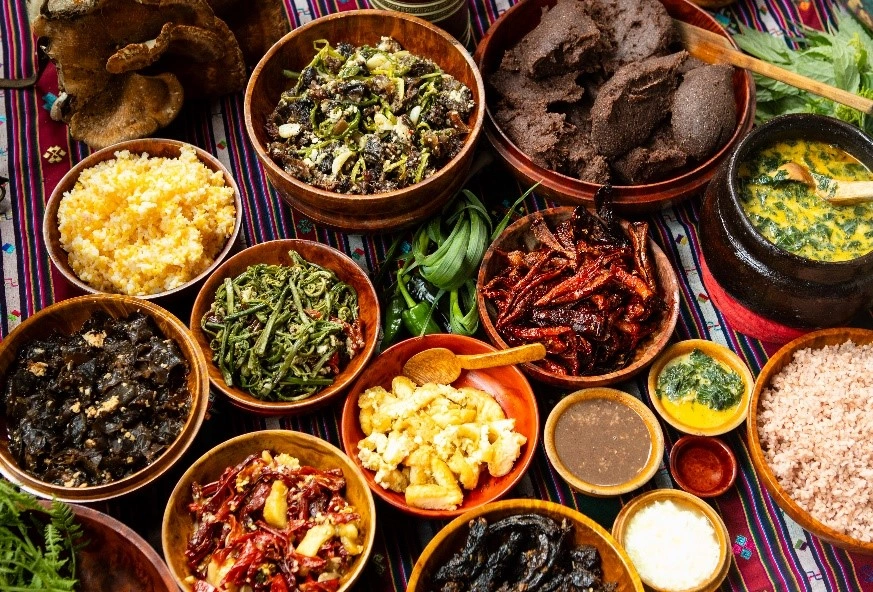
Bhutanese cuisine is hearty and flavorful, dominated by spicy chilies, cheese, and simple ingredients reflecting the agrarian lifestyle. Signature dishes like ema datshi (chilies in cheese sauce) pair with red rice, offering a nutty base, while momos (dumplings) and phaksha paa (pork with radish) provide variety. Dining is communal, often family-style with multiple courses, emphasizing hospitality where hosts serve generously and tea (suja, butter tea) flows freely as a social lubricant. Alcohol, like ara (rice wine), is enjoyed moderately during gatherings. Bangladeshi palates may adapt to the heat and dairy focus, with vegetarian options abundant due to Buddhist influences, making meals a cultural bridge.
Festivals, Religion, and Sacred Places
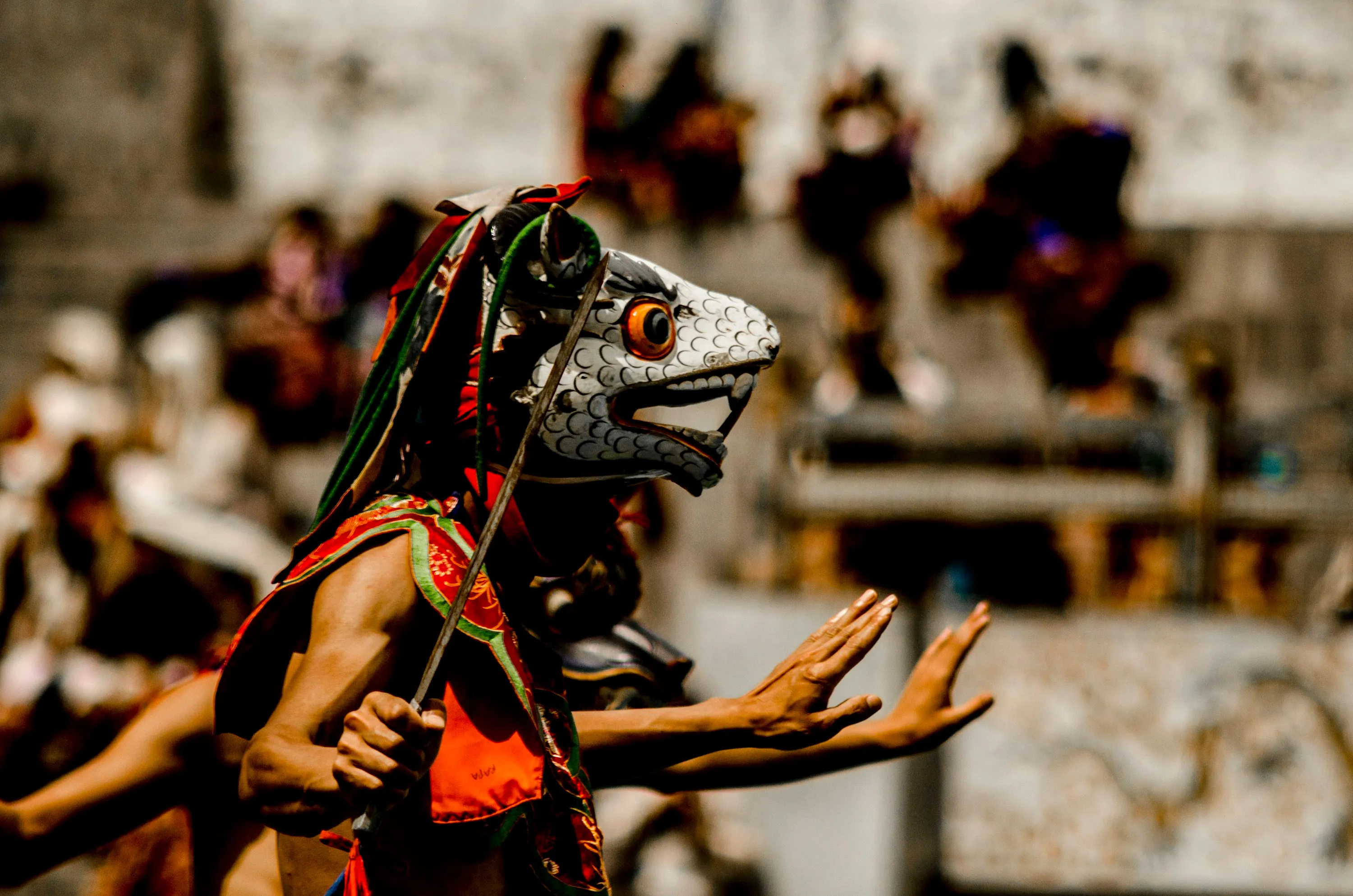
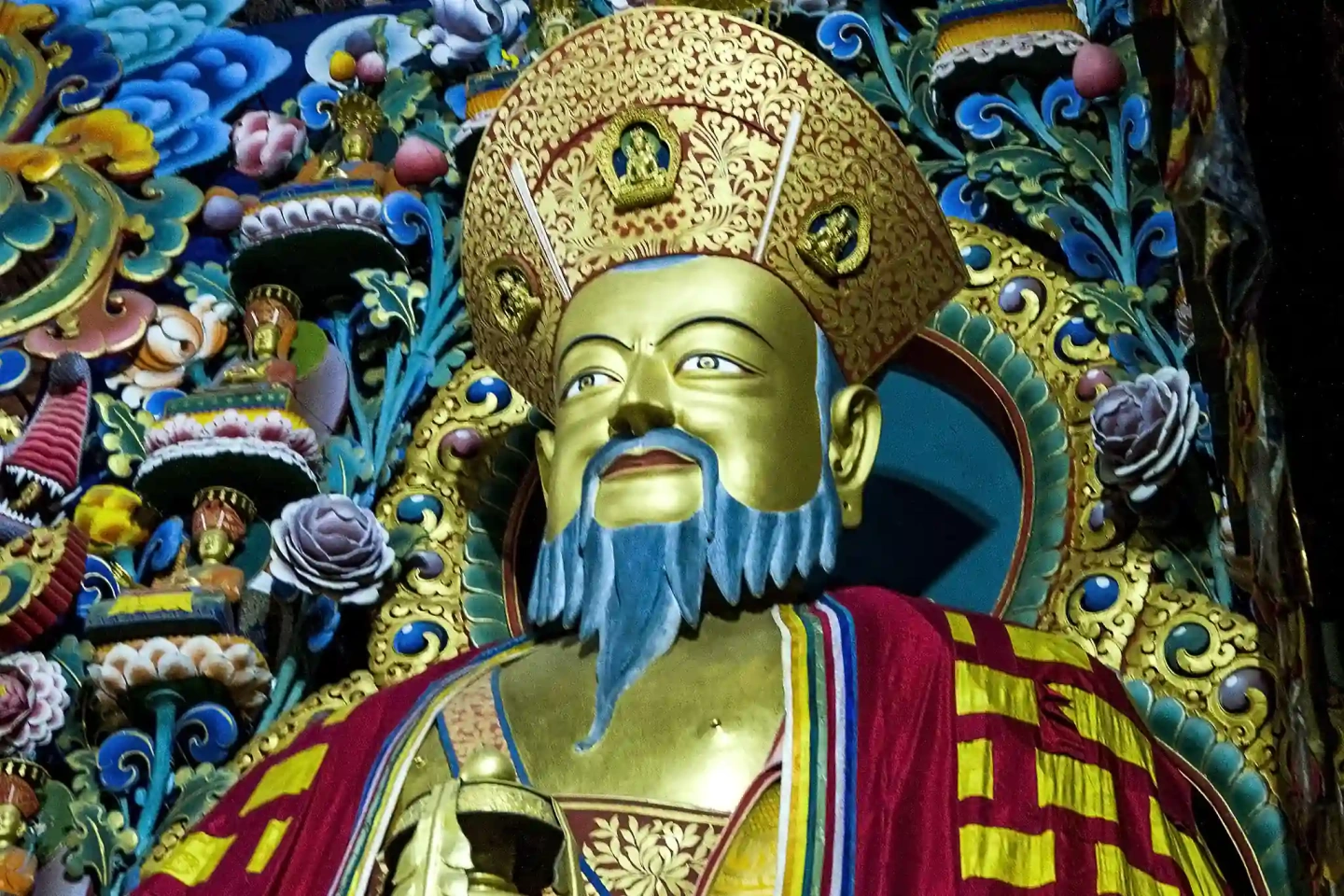
Religion permeates Bhutanese life through Vajrayana Buddhism, with sacred sites like dzongs and monasteries serving as spiritual and communal hubs. Festivals, or tshechus, honor Guru Rinpoche with masked dances, music, and rituals, drawing locals in traditional attire for blessings and socializing. Visitors witness profound devotion but must observe rules: modest dress, no photography inside, and respectful silence. These experiences deepen understanding of Bhutan's cultural fabric, blending spirituality with joy.
Hidden Challenges and Practical Inconveniences
Travel in Bhutan includes subtle challenges like slow service in eateries, reflecting a relaxed ethos, or itinerary tweaks due to weather-impacted roads. Power outages and winding drives may test patience, but these are woven into Bhutan's charm, encouraging mindfulness and appreciation for unhurried authenticity.
Shopping and Souvenirs
Shopping in Bhutan centers on artisanal crafts like handwoven textiles (kira/gho), thangka paintings, and incense, found in markets like Thimphu's Craft Bazaar. Bargaining is mild, respecting fair trade, with emphasis on authenticity—seek government emporiums for quality assurance. These mementos embody Bhutan's heritage without commercial excess.
Altitude Awareness and Physical Preparedness
Altitude affects visitors variably, with symptoms like dizziness emerging above 2,500m; precautions include ascending gradually, hydrating (3-4 liters daily), and resting upon arrival. Physical prep involves light exercise beforehand, adjusting activities to energy levels for safe enjoyment.
Security, Safety, and Emergency Information
Bhutan's safety is exemplary, with negligible crime; respect local laws like no smoking in public. Emergencies: dial 113 (police), 112 (ambulance), 110 (fire). For consular aid, contact the Indian Embassy (handling Bangladeshi affairs) or your operator for swift assistance.
Photography and Drones
Photography is welcomed outdoors but prohibited inside religious sites without permission; ask before capturing locals. Drones require prior permits from the Bhutan Civil Aviation Authority, restricted near sensitive areas—declare upon entry to comply.
What Bhutan Does Not Have
Bhutan eschews skyscrapers, fast-food chains, casinos, and mega-malls, preserving its essence; this absence enhances its allure as a sanctuary of tranquility and tradition.
Important Questions to Ask Before Booking a Tour
Before confirming your Bhutan tour, inquire about the guide's experience and language skills—will they speak fluent English, and can accommodations be made for Bengali explanations if needed? Discuss itinerary flexibility: how adaptable is the schedule to weather or personal preferences, and what alternatives exist for altitude-sensitive activities? Probe accommodations: are they comfortable, with en-suite facilities and heating for colder months, and do they cater to dietary needs like halal or less spicy options common for Bangladeshi tastes? Ask about emergency protocols: what medical support is available, including oxygen for altitude issues, and how does the operator handle evacuations? Regarding connectivity, confirm if a tourist SIM can be arranged upon arrival and if Wi-Fi is reliable in lodgings. Clarify tipping customs: what's expected for guides and drivers, and are there hidden costs? Finally, verify insurance requirements: does the package include coverage, or must you secure your own with specifics for Bhutan?
Conclusion
In reflection, Bhutan stands as a rare gem for Bangladeshi travelers, offering cultural depth, breathtaking nature, and spiritual serenity in a world increasingly dominated by commercialization— a destination that rewards those seeking meaningful respite over fleeting thrills.