
Top Destinations
Travelers' Choice
Beyond Expeditions. Beyond Business.
Beyond Imagination.
Top Destinations
Travelers' Choice
Beyond Expeditions. Beyond Business.
Beyond Imagination.
Beyond Expeditions. Beyond Business.
Beyond Imagination.
Beyond Expeditions. Beyond Business.
Beyond Imagination.
Step into Chukha, where Bhutan’s Highest Revenue Generating energy flows from mighty rivers, ancient monasteries whisper tales of devotion, and trade pulses through the bustling streets of Phuentsholing.
Chhukha Dzongkhag is located in South-Western part of Bhutan. It offers a captivating mix of natural landscapes, cultural heritage, and economic significance. Known as the gateway to Bhutan from its neighboring India, Phuentsholing serves as the district’s commercial heart.
Chukha is famous for its hydropower projects, country's Highest Revenue driver inclusing the Chhukha Hydro and Tala Hydroelectric Plants, which play a vital role in Bhutan’s energy exports. Beyond its industrial prominence, the district is dotted with temples, monasteries, and chortens, offering visitors both spiritual insight and scenic beauty.
This convergence of modern development and traditional culture makes Chukha a unique and compelling destination.

Phuentsholing, the bustling border town in southern Bhutan, serves as the commercial and administrative center of Chukha District. Located directly across from India’s Jaigaon, it acts as Bhutan’s southern gateway, facilitating trade, movement, and economic interaction between the two countries.
History & Development
Bhutanese believe that during the time of the 3rd King of Bhutan, Phuentsholing got its name with the meaning 'the place of prosperity' . Originally a modest settlement of farmers cultivating rice and oranges, Phuentsholing began to expand significantly in the mid-20th century as Bhutan opened up its economy. The 1949 Bhutan‑India Friendship Treaty further enhanced the town’s importance by promoting cross-border trade and travel.
Over the years, Phuentsholing has grown steadily, guided by its first official development plan launched in 1987 to manage its rapid urban expansion.
Cultural & Tourist Highlights
Phuentsholing offers more than just trade—it is rich in culture and spiritual landmarks:
Bhutan Gate: A grand border gate symbolizing friendship between Bhutan and India.
Why Visit Phuentsholing ?
Entry Point into Bhutan: Most travelers enter Bhutan through Phuentsholing, making it a natural starting point.
Shopping & Local Markets: Its position on the border ensures vibrant marketplaces with handicrafts, goods, and food.
Cultural Exchange: Visitors can experience a blend of Bhutanese and Indian influences in architecture, cuisine, and daily life.
Spiritual Exploration: Temples like Zangto Pelri offer a peaceful stop for reflection and devotion.

Chukha Dzong is an important administrative and cultural landmark in Chukha District. Like other dzongs in Bhutan, it serves as both a fortress and a monastery, reflecting Bhutanese architectural tradition with massive stone walls, courtyards, and prayer halls.
Historically, dzongs were built to consolidate regional administration and defense, and Chukha Dzong was no exception, strategically positioned to oversee the southwestern region and monitor trade routes leading into Bhutan from India.
Besides its administrative role, Chukha Dzong is a spiritual hub for the local community. It hosts religious festivals and rituals, including traditional Tshechu dances, which attract locals and travelers alike. These festivals not only preserve Bhutanese culture and Buddhist practices but also reinforce social cohesion among residents. Visitors to Chukha Dzong often appreciate its architectural elegance, serene courtyards, and the vibrant colors of prayer flags fluttering in the wind.
Chukha Hydro power plant
Just a short drive from the dzong, the Chukha Hydropower Plant on the Wangchu River stands as one of Bhutan’s earliest and most significant hydroelectric projects. Constructed in the 1980s with Indian support, it generates 336 megawatts of electricity, mostly for export, fueling Bhutan’s economy and showcasing the nation’s commitment to renewable energy.
Beyond its industrial significance, the plant symbolizes sustainable development and modernization in the region. While primarily functional, it attracts visitors interested in engineering feats, environmental planning, and Bhutan’s innovative approach to growth.

Hidden amid the misty hills of Chukha, Dokhachu Goenpa beckons pilgrims and travelers alike with its aura of mysticism and divine power.
Located in Chapcha Gewog, Chukha District, the monastery sits at an altitude of about 3,048 meters, overlooking the tranquil village of Rin Thangkha. Founded in 1650 by Lama Choeje Thinley Jamtsho, a grandson of Phajo Drugom Zhigpo, the temple was established on a sacred site identified through prophecy and spiritual insight.
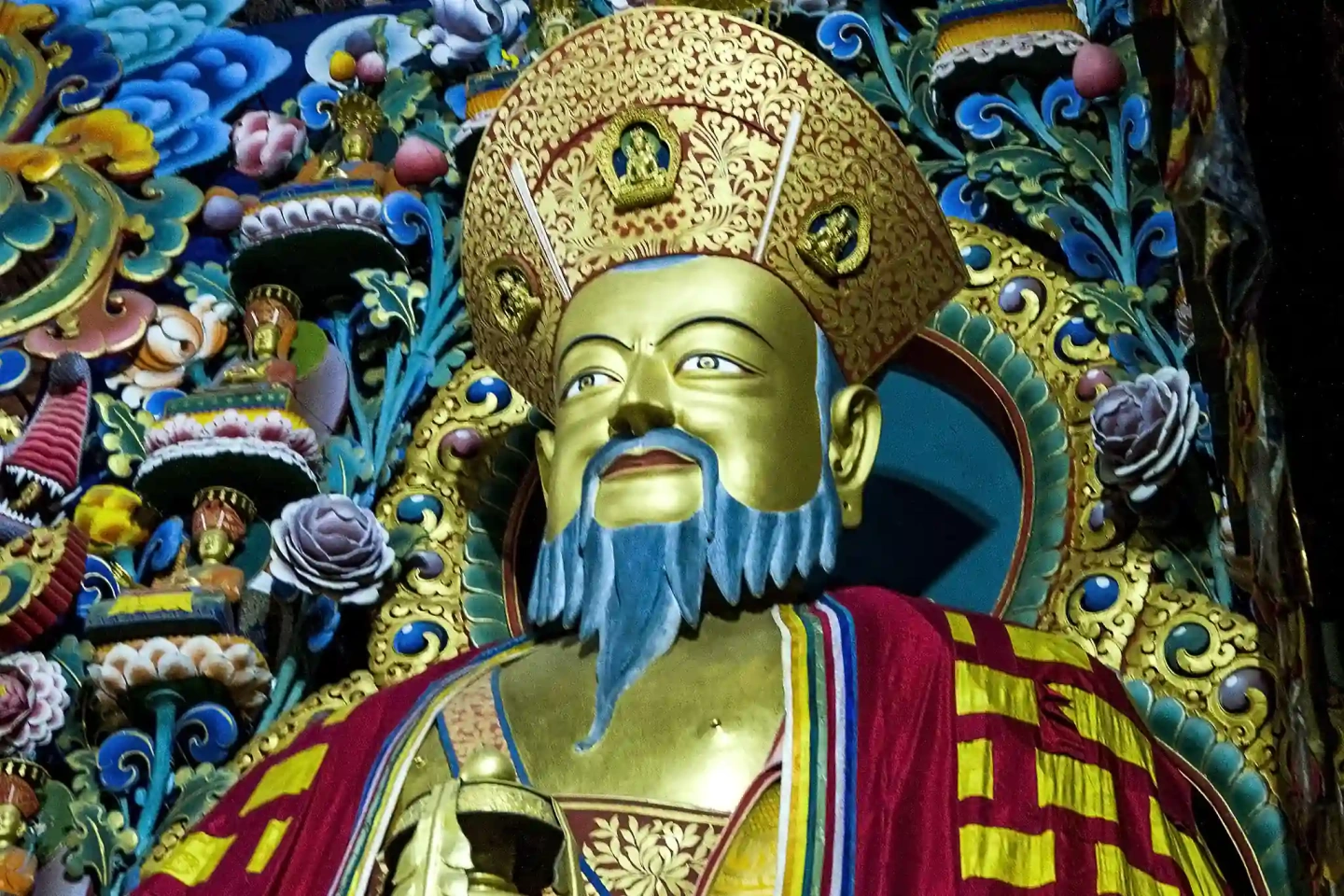
Dokhachu Goenpa is dedicated to Aum Ekajati, the fierce, wish-fulfilling goddess revered in the Nyingma tradition of Bhutanese Buddhism.
The monastery houses a self-arising statue of Ekajati, along with other sacred relics, including a vajra, bell, and statues of the Three Buddhas of the Three Eras. A striking upright boulder cave, known as Do Khaker, and a sacred blue pine tree nearby add to the spiritual ambiance.
The temple is highly significant to devotees, who come to seek blessings for wealth, longevity, and children. It is also famed for its annual festival in the 4th month of the Bhutanese lunar calendar, where rituals, prayers, and blessings draw locals and pilgrims from across the region.